
Offloading in Diabetics – Diabetic Foot Care
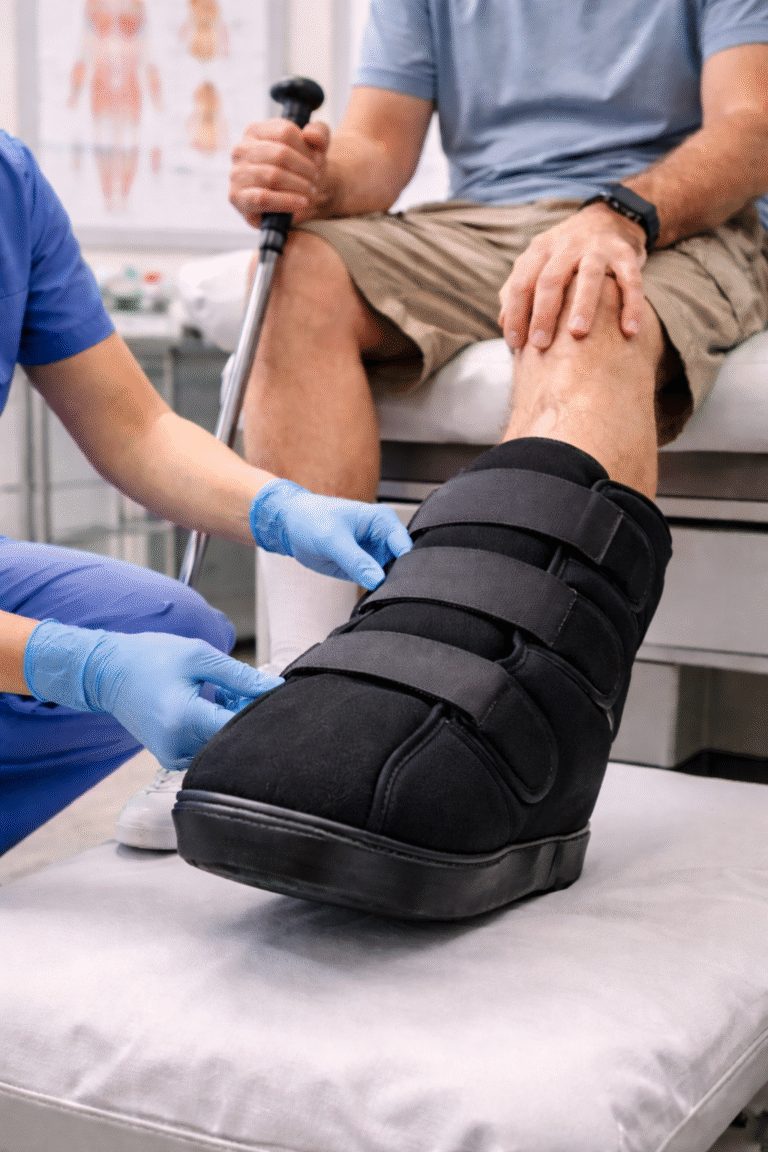
Offloading is one of the most essential components of diabetic foot management. For people with diabetes, excessive pressure on the sole can lead to calluses, blisters, ulcers, infections, and even amputations. Offloading prevents these complications and helps existing wounds heal faster.
Intrroduction
What Is Offloading in Diabetics?
Offloading means reducing mechanical pressure on the foot to promote ulcer healing and prevent new wounds. It refers to the method of redistributing pressure away from high-risk areas of the foot—especially bony prominences and ulcer-prone sites.
In diabetics, neuropathy (loss of sensation) and foot deformities can cause abnormal pressure distribution, making offloading devices essential.
Goals of Offloading
- Reduce pressure on ulcer or high-risk areas
- Improve healing of diabetic foot ulcers
- Prevent further tissue damage
- Reduce risk of infection and amputation
- Enable safe walking with protection
Types of Offloading Methods in Diabetic Foot
- Total Contact Cast for diabetic foot (TCC)
A Total Contact Cast is a specially designed cast that fits closely around the foot and lower leg. It redistributes pressure evenly and reduces stress on the ulcer site. It is Gold Standard for Diabetic Foot Ulcer Healing.
Indications
- Neuropathic plantar foot ulcers
- Non-infected, non-ischemic ulcers
- Patients who need strict pressure offloading
Advantages
- It has the best healing rates among all offloading methods
- Protects foot from further trauma
- Controls swelling
- Promotes rapid wound healing
Disadvantages
- Cannot be removed
- Requires trained professionals
- Not suitable for infected or ischemic ulcers
- Removable Walker Boot for diabetic ulcer (Cast Walker / Air Walker)
A Removable Walker Boot is a prefabricated offloading boot that supports the foot and ankle while reducing pressure on ulcer-prone regions.
It distributes weight across the sole, reduces forefoot pressure. It can be removed for wound dressing. Custom insoles can be added.
Indications
- Forefoot and mid-foot ulcers
- Post-surgical offloading
- Patients who need mobility with protection
Benefits
- Easy to wear and remove
- Good offloading performance
- Suitable for most diabetics
- Adjustable straps provide a tailored fit
Disadvantages
- Patient compliance is variable
- Must be worn for most hours of the day for effective healing
- Customized Diabetic Footwear
Customized diabetic footwear is specially designed to reduce pressure points and improve shock absorption. These shoes are made after foot scan, gait analysis, and pressure mapping. They are designed for daily use. They are for prevention & post-healing care.
Features
These footwear have extra depth and wider toe. They are soft and have seamless lining. Rocker bottom sole can be made if needed. Customized insoles can be made according to foot pressure.
Indications
- Patients with diabetic neuropathy
- Foot deformities (hammer toe, bunions, Charcot foot)
- Previous history of ulcers
- High plantar pressure areas
Benefits
- Prevents calluses & ulcers
- Improves pressure distribution
- Reduces friction and shear
- Ensures comfort for daily walking
This is the most effective long-term preventive offloading option.
- Pressure-Relieving Insoles
Pressure-relieving insoles are made from memory foam, MCR (Micro Cellular Rubber), PU, silicone gel, or 3D-printed materials. They disperse pressure across the foot and reduce stress on specific points. These are simple and provide effective Protection for high-risk feet.
Types
- MCR insoles – most commonly used
- Gel / Silicone insoles – great for heel pain & cushioning
- Customized orthotic insoles – based on plantar pressure scan
- Rocker-sole compatible insoles
Indications
- High-risk diabetic feet
- Corns, calluses
- Heel pain, plantar fasciitis
- Early neuropathy
- Ulcer prevention
Advantages
- Reduce peak plantar pressure
- Improve gait and stability
- Protect against micro-trauma
- Comfortable and lightweight
Why Offloading Is Essential in Diabetic Foot Care?
- Prevents recurrent ulcers
- Helps wounds heal faster by up to 80%
- Reduces infection risk
- Avoids hospitalizations
- Prevents amputations
- Improves quality of life
Offloading should always be guided by a diabetic foot specialist or podiatric surgeon.